

2
Studying medicine abroad is one of the most rewarding decisions a student can make, but it is also one of the most challenging. Alongside the excitement of pursuing a medical degree in a new country comes the reality of adapting to a different culture, navigating academic pressures, building new relationships, and living away from family for the first time.
For universities, supporting students today extends far beyond delivering <a href="https://menainsights.com/lg-electronics-invites-the-world-to-experience-innovation-in-tune-with-you-at-ifa-2026/”>world-class education. Success is increasingly defined by how institutions help students develop the resilience, confidence, and interpersonal skills they need to thrive both during their studies and throughout their medical careers.
Academic success starts with holistic support
The transition to university life can be demanding, particularly in medicine where students face rigorous coursework, clinical training, and high expectations. International students often experience additional challenges, from adjusting to new healthcare systems and teaching styles to overcoming homesickness and cultural differences.
This is why leading medical schools are adopting a more holistic approach to student success, combining academic guidance with wellbeing services, mentoring programs, peer support networks, and accessible faculty who can help students navigate challenges before they become barriers to learning.
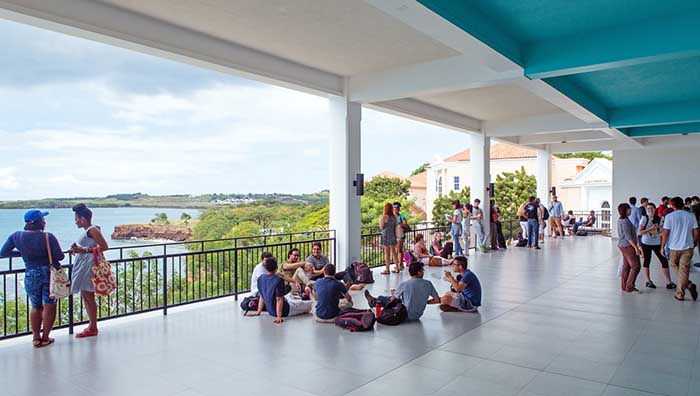
At St. George’s University (SGU), School of Medicine in Grenada, West Indies, this philosophy is embedded throughout the student journey. Academic advising, tutoring, wellness resources, and student support services work together to create an environment where students can seek help confidently and focus on reaching their full potential.
Emotional intelligence is an essential skill for tomorrow’s doctors
While clinical knowledge remains fundamental, today’s healthcare professionals are increasingly expected to demonstrate empathy, communication, teamwork, and adaptability. These qualities are rooted in emotional intelligence, the ability to understand and manage one’s own emotions while recognising and responding to the emotions of others.
For doctors, emotional intelligence influences every patient interaction. It enables them to communicate difficult diagnoses with compassion, collaborate effectively within multidisciplinary teams, and build trust with patients and families during some of the most challenging moments of their lives.
Developing these capabilities should therefore begin long before graduation. Medical school offers a structured environment for this growth, where students receive regular feedback, reflect on real clinical encounters, and learn from mentors who model these qualities in their daily work.
Building the soft skills that shape better physicians
Medical students benefit from experiences that strengthen critical thinking, collaboration, cultural competence, leadership, and problem-solving. What matters is how deliberately these experiences are built into the program. When soft skills development is embedded in the curriculum through small group learning, clinical simulations with standardized patients, peer-led teaching, and community engagement, students practise communication and teamwork in realistic settings rather than studying them in theory. These experiences prepare future physicians to work confidently in increasingly diverse healthcare environments.
For students studying overseas, these experiences are particularly valuable. Living in a multicultural environment naturally develops adaptability, independence, and cross-cultural communication, skills that are becoming increasingly important as healthcare systems become more globally connected.
Preparing doctors for a changing world
As medicine continues to evolve, universities must prepare graduates not only to embrace new technologies but also to lead with compassion, resilience, and emotional intelligence.
SGU’s model reflects this balance
More than 98 percent of students use the university’s academic and non-academic support services, from the Department of Educational Services and the Psychological Services Center to dedicated faculty advisors who follow each student’s progress. Clinical training across a network of more than 75 affiliated hospitals and health centers in the US and UK then puts these skills into practice in real healthcare settings.
By integrating academic excellence, wellbeing support, leadership development, and responsible use of AI, institutions can help students succeed both inside and outside the classroom.
Ultimately, the best medical education is not only about producing knowledgeable physicians, but it is also about developing confident, empathetic professionals who are ready to care for patients wherever their careers take them.
For more information on the pro