

13
On World Population Day, Aspen Medical is highlighting the critical importance of strengthening healthcare accessibility, preparedness and digitally enabled care as countries around the world face increasing demographic pressures and evolving healthcare needs. As populations grow and live longer, healthcare systems must care for more people with increasingly complex health needs. Traditional models of care alone will be insufficient to meet future demand. Ensuring equitable access to healthcare will require innovative approaches that improve efficiency, expand access, and support a greater focus on prevention and early intervention.
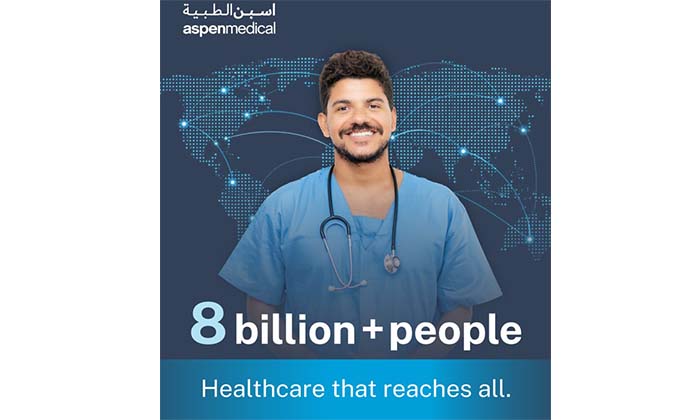
World Population Day is a reminder that the central challenge for healthcare is not simply accommodating more people, but ensuring that growing populations can access timely, affordable and high-quality care. The global population now exceeds 8 billion and, according to United Nations projections, will surpass 10 billion by the mid-2080s. Urbanization and shifting disease patterns are placing sustained demands on health systems worldwide, and traditional models of care alone will not be enough to meet them.
These pressures are evident in the UAE, where population growth and rapid urban development continue to drive demand for healthcare services. With the country’s population estimated at more than 11.5 million people, over 80% of whom live in urban areas, ensuring timely access to quality care remains a strategic priority. Health systems are managing rising patient volumes, growing demand for specialized care, workforce constraints, and the dual burden of chronic and infectious disease. As this demand continues to outpace workforce growth and healthcare costs rise, technology-enabled models of care, digital health and artificial intelligence will play an increasingly important role in helping health systems remain accessible, resilient and sustainable.
Digitally enabled healthcare and artificial intelligence are becoming central to how this demand is met. Virtual models of care can connect patients with clinicians regardless of geography, helping health systems extend limited workforce capacity and deliver care in the most appropriate setting. This can support both patient outcomes and system sustainability. Artificial intelligence also has the potential to play an important role in addressing the health challenges associated with population growth. Beyond improving operational efficiency, AI can support earlier identification of health risks, enable more personalized interventions, and help shift healthcare systems from treating illness to preventing it. As demand for healthcare continues to grow, the responsible adoption of AI and digitally enabled care, supported by appropriate guardrails and implementation frameworks, will be essential to improving health outcomes and ensuring the long-term sustainability of healthcare systems.
“Population growth presents both opportunities and challenges. As communities expand, healthcare systems must evolve to ensure that every individual has access to timely, high-quality care. Increasingly, this evolution is being shaped by digital transformation and emerging technologies such as artificial intelligence, which can help strengthen healthcare delivery when implemented responsibly and with the right safeguards,” said Claire Westbrook-Keir, General Manager at Aspen Medical MEA.
For Aspen Medical, preparedness and innovation are fundamental to sustainable healthcare delivery. This includes investing in healthcare infrastructure, strengthening medical workforce capabilities, embracing digital health solutions, and leveraging emerging technologies to support more resilient and responsive models of care. Aspen Medical brings extensive experience supporting governments, healthcare providers and organisations in delivering scalable healthcare solutions across a range of environments from primary healthcare and occupational health services to complex medical facilities and emergency response operations.
As healthcare systems continue to evolve, Aspen Medical remains committed to supporting initiatives that enhance healthcare accessibility, improve patient outcomes, and strengthen healthcare resilience for future generations.