

13
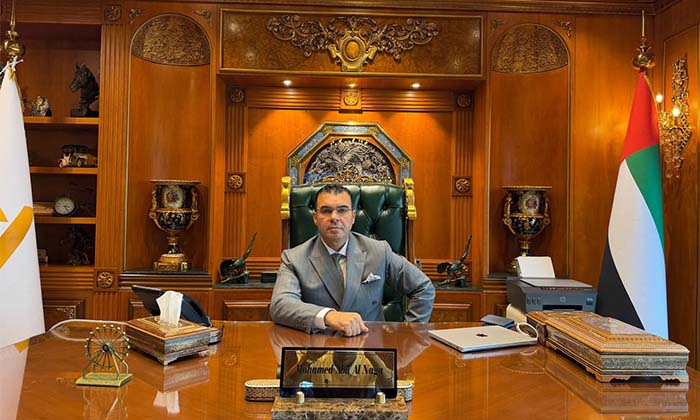
Mohamed Aboul Naga, Chairman of Aboul Naga Developments, said Dubai’s real estate sector continues to reinforce its position as one of the most attractive markets in the region, not only because of transaction momentum and project diversity, but also due to an integrated ecosystem of drivers that make buying, investing and living in the emirate a clearer, more confident and more sustainable decision.
Aboul Naga noted that Dubai no longer offers property in its traditional meaning alone. It offers a complete city experience where quality of life meets economic strength, infrastructure connects <a href=”https://menainsights.com/movenpick-brings-joy-to-uae-families-with-complimentary-ice-cream-for-children-across-its-hotels/”>with regulation, and visionary leadership turns long-term planning into a visible reality across roads, metro networks, services, new districts and an attractive investment environment.
He added that the strength of Dubai’s property market does not come from one figure or one project, but from the convergence of several factors working together: legislative stability, safety, ease of doing business, product diversity, digital services, population growth, a broader buyer base and rising demand for long-term living. This gives the market depth beyond short-term speculation.
April Indicators Confirm Continued Momentum
Aboul Naga said recent indicators support this view. Dubai’s real estate sector recorded AED252 billion in total real estate transactions during the first quarter of 2026, marking a 31% year-on-year increase in value and a 6% rise in transaction volume, according to Dubai Land Department data. Real estate investments also reached AED173 billion across 57,744 investments, while 29,312 new investors entered the market during the same period, reflecting a broader base of confidence and diversified demand.
He pointed out that April added another important signal of sustained activity, with Dubai property sales reaching around AED48 billion across 13,977 deals, based on market data derived from Dubai Land Department transactions and specialised property platforms. This indicates that market momentum was not limited to the start of the year, but extended through the end of April, supported by demand for both completed and off-plan projects.
Major Projects Are Reshaping the Value Map
Aboul Naga stressed that infrastructure remains one of the strongest drivers of real estate decision-making in Dubai. At the forefront is the Dubai Metro Blue Line, which extends over 30 kilometres and includes 14 stations, strengthening connectivity between promising residential, commercial and educational districts and opening new paths for urban growth and investment demand.
He explained that the impact of such projects goes beyond easing daily mobility. It also reshapes how future value is assessed in surrounding communities. Today, investors and residents are not only looking for a unit, but for a location within a connected city, close to metro stations, main roads, business hubs, schools, airports and daily services. In this context, infrastructure becomes a direct value-creation engine rather than a supporting service.
Initiatives Are Expanding Market Access
Aboul Naga said recent regulatory initiatives have added a new level of maturity to the market, particularly the second phase of Dubai’s Real Estate Tokenisation Project, which enabled secondary-market resale activity from 20 February. The step supports transparency, governance and the testing of more flexible investment tools within a regulated framework.
He also highlighted the importance of the First-Time Home Buyer Programme, which supports individuals seeking to own their first home in Dubai through benefits that include priority access to new launches, preferential prices on selected units, flexible registration fee plans and competitive mortgage offers in cooperation with banks and developers.
He added that these initiatives do not only support sales; they expand ownership, help shift part of demand from renting to long-term ownership, and give the market a more stable base of end users and long-term investors. This makes growth more connected to real demand rather than temporary momentum alone.
An Attractive Market That Still Requires Informed Decisions
Aboul Naga emphasised that Dubai’s real estate drivers come together in one picture: visionary leadership, a diversified economy, safety, world-class infrastructure, clear regulation, an attractive tax environment, high quality of life and initiatives that make market entry more flexible. However, he stressed that the strength of these drivers should not lead to rushed decisions; investors should still assess location, developer track record, project quality, payment plans, service charges, rental prospects and resale potential.
He concluded that Dubai today offers more than property for sale; it offers a model for living, working and investing in a city that knows where it is going. With major projects, structured initiatives and strong indicators continuing through the end of April, Dubai’s real estate sector remains capable of attracting those seeking a stable asset, an advanced living environment and a long-term investment opportunity built on genuine value rather than marketing noise.