

The Kuwait Fund for Arab Economic Development (KFAED) is considered a pioneer in supporting development and health efforts in developing countries around the world. It is committed to providing the necessary financing and technical assistance to strengthen health infrastructure. Through its integrated strategies, the Fund contributes to improving quality of life and raising the level of healthcare for the most vulnerable communities, in line with its vision of supporting sustainable development and achieving social balance.
The Fund places strong emphasis on financing the construction and equipping of hospitals and health centers at all levels, and providing modern medical equipment that keeps pace with global technological advancements. It also supports vaccination and health-awareness programs aimed at preventing the spread of diseases, while ensuring that medical services reach remote and underserved areas, thereby enhancing the ability of health systems to respond to various epidemic challenges.
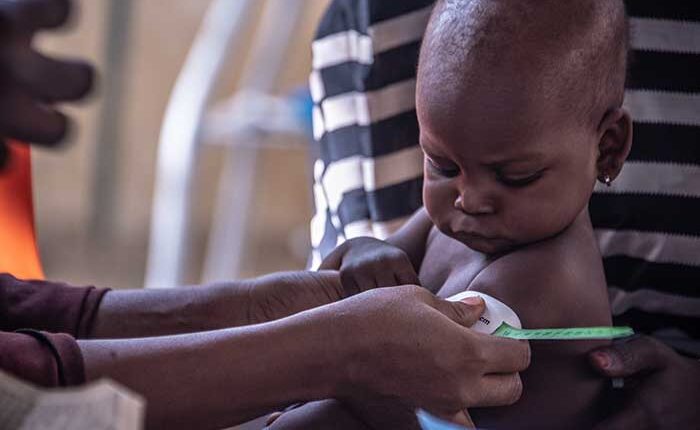
The Fund focuses on combating a range of endemic diseases prevalent in developing environments, including malaria, tuberculosis, lymphatic filariasis, and cholera, in addition to supporting programs targeting malnutrition and childhood diseases that pose significant health challenges. This is achieved through financing widespread vaccination campaigns, providing essential medicines, and supporting initiatives that strengthen health awareness among local populations.
Projects financed by the Kuwait Fund have contributed to lowering infection and mortality rates caused by infectious diseases, as well as improving the overall quality of health infrastructure in many developing countries. These efforts form a fundamental pillar of more resilient health systems capable of facing health crises, thus enhancing societal stability and contributing to sustainable economic and social development in the long term.
The Spread of Diseases and Epidemics in Africa
More than two billion people around the world suffer from various tropical diseases, including nearly 500 million children. Over 40% of these individuals live in Africa, where diseases and epidemics—such as malaria and HIV/AIDS—are widespread and accompanied by severe social and economic consequences.
Despite the efforts of the World Health Organization (WHO) in advancing health development, a new category of illnesses known as “neglected tropical diseases (NTDs)” has emerged and become widespread in Africa. These diseases primarily affect the poorest communities and are caused by bacteria, viruses, and parasites. They often result in severe consequences such as disability, disfigurement, and death among millions in developing countries. According to WHO classifications, there are around 17 neglected tropical diseases, with nearly 700 million people infected in Africa alone.
WHO reports attribute the high infection rates of neglected tropical diseases in Africa to several factors:
- Low levels of prevention and vaccination
- Exposure to waterborne diseases due to poor access to clean water and sanitation
- Weak health systems
- Fragility, conflict, and population displacement
International Cooperation to Combat Tropical Diseases
To control and eliminate these diseases, several international entities and organizations have united their efforts. Five key diseases were selected for a specialized tropical disease–control program after research in various African regions demonstrated that they could be eradicated without continuous medication.
The program covers about 47 African countries affected by one or more of these diseases — including 36 countries suffering from all five. Each year, between 300 and 400 million people benefit from the program, which provides 700–800 million tablets free of charge through pharmaceutical companies, depending on program needs. Currently, only about 30% of those infected receive the required treatment.
Most affected individuals live in rural and remote areas, posing a major challenge for program delivery and requiring expanded efforts to ensure full coverage. Volunteer organizations — international, regional, and local — also play a crucial role by distributing medicines with financial support from several global institutions.
The Neglected Tropical Diseases Program (NTD Program)
The program aims to prevent and combat diseases and epidemics that are especially active in neglected tropical regions by providing clinical support to national control programs in planning, implementation, and evaluation. It works with international bodies to strengthen disease control and research.
The program targets the following diseases:
- Lymphatic Filariasis (Elephantiasis)
A parasitic disease transmitted by worms that inhabit the lymphatic system, affecting limbs and genital organs. Around 900 million people worldwide are at risk, with 30% of cases in Africa. More than 400 million Africans are exposed to infection.
- River Blindness (Onchocerciasis)
A parasitic disease caused by filarial worms and transmitted through blackflies. It can cause blindness and severe skin infections. Around 250 million people are infected globally, 90% of whom are in Africa. About 18 million require annual treatment.
- Schistosomiasis (Bilharzia)
A waterborne parasitic disease acquired through contaminated irrigation canals and drainage systems. It affects the digestive system and spreads through the bloodstream to the liver. Around 300 million people worldwide are infected, 90% of whom live in Africa.
- Soil-Transmitted Helminth Infections
Caused by eggs of parasitic worms found in soil contaminated with human waste. Around 1.5 billion people worldwide are at risk, mostly in Africa. The disease causes about 150,000 deaths annually, and around 290 million Africans need annual treatment.
Trachoma A bacterial eye infection that can lead to permanent blindness
About 2.2 million people globally suffer from visual impairment due to trachoma, and nearly 185 million live in at-risk areas across Africa.
Reasons for selecting these diseases include:
- Availability of preventive medicines free of charge from major global pharmaceutical companies
- Availability of field-survey technologies and disease-mapping tools
- Ease of reaching affected populations and the ability to distribute multiple medications simultaneously
- Commitment by affected countries to include these diseases in public-health priorities and allocate annual budgets
Administration of the NTD Program
WHO oversees the program administratively, technically, and financially, in cooperation with other international entities. Funding comes either through direct agreements between donors and local organizations, or through joint pooled funding via trust funds managed by institutions like the World Bank and WHO.
Program activities include:
- Assisting countries in formulating strategic disease-control plans
- Conducting scientific research and field experiments
- Mapping disease distribution across the continent
- Evaluating scientific and social impact
- Distributing medicines via international/local volunteer organizations
- Consulting international experts
- Providing equipment, communications, and transportation
- Administrative coordination, logistical support, and awareness campaigns
- Institutional support and capacity building
Program Funding
The Kuwait Fund is one of the earliest contributors, having financed:
- Phase 1 (2016–2020): USD 5 million
- Phase 2 (2024–2028): USD 5 million
Other contributors include: the World Bank, Bill & Melinda Gates Foundation, African Development Bank, USAID, the Royal National Institute of Blind People (UK), the UK Department for International Development, US Centers for Disease Control, pharmaceutical manufacturers, and various international NGOs, in addition to African governments.
Kuwait Fund Contributions to Combating Diseases in Africa
Since 1974, Kuwait — through the Kuwait Fund — has supported numerous disease-control programs in Africa, particularly the fight against river blindness, as follows:
- First Onchocerciasis Control Program
Covering 11 West African countries: Burkina Faso, Côte d’Ivoire, Mali, Niger, Benin, Togo, Ghana, Guinea, Guinea-Bissau, Sierra Leone, and Senegal.
- Second Onchocerciasis Control Program
Covering 20 African countries, including Angola, Burundi, Cameroon, Chad, Central African Republic, Democratic Republic of Congo, Republic of Congo, Equatorial Guinea, Ethiopia, Gabon, Kenya, Liberia, Malawi, Mozambique, Nigeria, Rwanda, Tanzania, Uganda, Sudan, and South Sudan.
The Fund also provides periodic grants and technical assistance — totaling about USD 23 million — to institutions working in health and disease control, including:
- Founding partnership in the NTD Trust Fund
- Guinea Worm Eradication Program
- Roll Back Malaria Partnership
- National Program for Transboundary Animal Disease Control
- The Global Fund to Fight AIDS, Malaria, and Tuberculosis
The Fund further supports the health sector more broadly to meet increasing healthcare needs, enhance quality, and ensure accessible medical services. It has financed more than 70 projects worth approximately 196.7 million Kuwaiti Dinars (about USD 630 million) across many countries worldwide—most of them in Africa.