

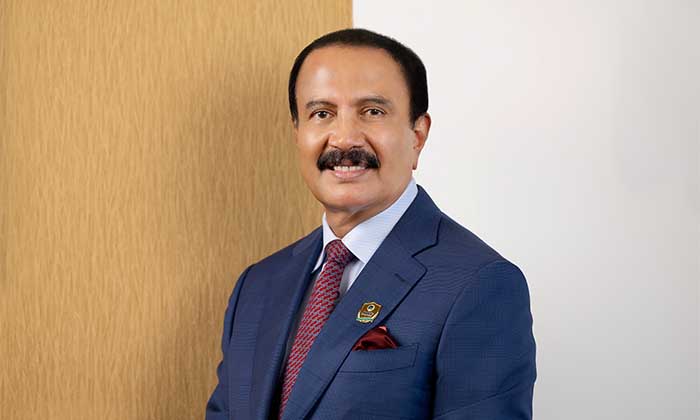
“With a population of over 1.4 billion and a rising chronic disease burden, the demands on the system are expanding rapidly. Moving healthcare spending closer to 5% of GDP is essential to address infrastructure, affordability, and workforce gaps and support a more resilient and universal care framework. It will also be central to advancing the Viksit Bharat vision and become a developed nation by 2047.
GST 2.0, rolled out in 2025, reflects a clear commitment to improving healthcare affordability with measures such as exempting individual health and life insurance from GST and reducing taxes on essential, life-saving medicines. Looking further, making preventive health coverage more affordable is a crucial step towards long-term healthcare resilience.
The next phase of reform should build on GST 2.0 through rationalised GST on advanced equipment and diagnostics, recalibrated customs duties on medical technologies, and streamlined regulatory pathways for digital health and research. Targeted incentives for private investments in Tier-2 and Tier-3 cities, health start-ups, and research-led enterprises can accelerate decentralisation and promote equitable access. India must also prepare for demographic shifts by prioritising key areas such as oncology services, AI-enabled diagnostics, geriatric and long-term care, and chronic disease management. Workforce skilling, medical education, and sustainability-oriented infrastructure will be equally essential as care becomes more complex. The Union Budget 2026 can serve as a bold roadmap for a future-ready healthcare ecosystem that is equitable, innovative-driven, and globally competitive.”