

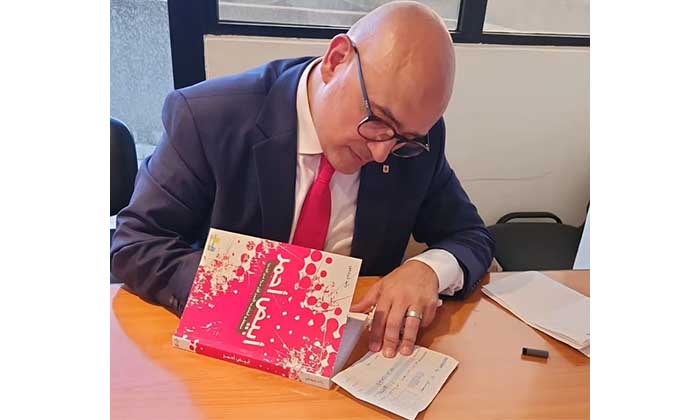
Raed Gerges’ book “Abyad Ahmar” (White Red) is a unique literary and documentary work that sheds light on the human aspect of times of conflict. Through his masterful narrative style and meticulous documentary approach, Gerges offers a rare historical account of the experiences of Lebanese Red Cross paramedics during the Lebanese Civil War, making it a valuable addition to humanitarian and historical literature.
1. Academic and Documentary Methodology
The author employs an oral history approach based on firsthand accounts from paramedics and administrators, which enhances the narrative’s credibility and provides the reader with a realistic and accurate view of the events. Gerges adheres to the precision of a researcher in gathering information and presenting it in a style that balances documentation and analysis, making it an important reference for researchers in the fields of history and humanitarian work.
Furthermore, the author’s choice of this approach demonstrates a high level of scholarly rigor, as the book clearly reflects the impact of conflicts on individuals who decided to defy death and save lives, giving it a strong academic dimension.
2. Narrative Style and Literary Value
“Abyad Ahmar” excels in its narrative style, which combines meticulous documentation with a profound literary touch; the author conveys human emotions with sincerity without falling into the trap of bias or exaggeration.
A. Balance Between Documentation and Emotion: Gerges succeeds in presenting events objectively, yet he does not overlook the human dimension, allowing the reader to feel the intensity of the paramedics’ experience.
B
Vitality and Realism: The use of direct dialogue and personal stories lends the book an engaging, novelistic quality, making it accessible to readers—whether they are academic researchers or those interested in humanitarian issues.
C. Clear and engaging language: The book is characterized by a smooth and refined linguistic style that combines academic precision with literary beauty, enhancing the reading experience and amplifying the impact of its humanitarian message.
3. Historical and Research Value
The book represents a valuable contribution to studies on the modern history of Lebanon and humanitarian work during conflicts. It not only documents the experiences of first responders but also provides a comprehensive picture of the humanitarian situation in times of war.
A
Offering a New Perspective: The book focuses on a group rarely highlighted in historical narratives—humanitarian workers who were on the front lines saving lives—giving it a unique documentary dimension.
B. An Important Academic Reference: The book can be relied upon as a reference in studies of human rights, humanitarian work, and contemporary history, as it documents an experience of great significance in the field of medical relief during wars.
C. An Indirect Analysis of the Effects of War: Although the book does not offer direct political analysis, it sheds light on the impact of conflicts on individuals and communities, making it a valuable resource for studying the social and psychological dimensions of war.
4. The Moral and Humanitarian Message
One of the book’s most powerful aspects is the profound moral message it conveys. It highlights the value of human solidarity and sacrifice in the most difficult circumstances, and affirms that humanitarian work transcends political and sectarian affiliations.
A. Highlighting the Human Side of War: Rather than focusing on the military or political aspects, the book celebrates the heroism of paramedics, making it a timeless humanitarian testament.
B. Inspiration and recognition for humanitarian workers: The book raises public awareness about the importance of volunteer and relief work, making it a source of inspiration for future generations.
C. Upholding noble values: By showcasing the sacrifices of paramedics, the book reinforces the concepts of compassion, dedication, and courage in the face of crises.
5
Cultural and Humanitarian Impact
“Abyad Ahmar” is not merely a documentary book; it is a cultural and humanitarian work that leaves a deep impression on the reader. It not only documents the experiences of first responders but also reflects how ordinary individuals can become heroes in times of crisis.
A. A Significant Contribution to Arabic Documentary Literature: It is rare to find Arabic works that address the topic of humanitarian work with such depth, making the book a valuable contribution to this field.
B. Encouraging Research and Documentation on Humanitarian Work: This book can encourage further studies on the role of humanitarian organizations in conflict zones.
C
Revitalizing collective memory: The book documents an important phase of Lebanon’s modern history, thereby contributing to the preservation of the collective memory of the Lebanese people and humanitarian workers worldwide.
6. Comparison and Distinction of the Book from Similar Works
When comparing “Abyad Ahmar” to other works in the field of humanitarian documentation, such as “Paramedics in Hell” by Patrick Chauvel, we find that Gerges’ book stands out in several ways:
A. Its focus on the Lebanese context: While Western books address experiences in various conflict zones, “Abyad Ahmar” highlights a local experience that has not been documented with such precision before.
B
Its engaging literary style: Unlike some dry documentary works, this book is distinguished by its compelling narrative style, which combines literary storytelling with documentary precision.
C. Its profound humanitarian message: The book excels at conveying the emotional and human dimension of the paramedics’ experience, making it more impactful for the reader.
7. Conclusion: Why is “Abyad Ahmar” considered an exceptional book?
Thanks to its masterful narrative style, meticulous documentary approach, and profound humanistic messages, “Abyad Ahmar” by Raed Gerges is regarded as one of the most significant documentary works in modern Lebanese literature. It not only sheds light on the role of paramedics during the Lebanese War but also immortalizes their stories and reflects their sacrifices, serving as a timeless human testimony for future generations.
This book is not merely a documentary work; it is an emotional experience that reflects the strength of the human will in the face of adversity, making it an indispensable reference for anyone interested in the history of conflicts, humanitarian work, and documentary literature.