

Heidrick & Struggles’ latest CEO & Board Monitor report, which surveyed 148 leaders across the Middle East at the end of last year, reveals that cybersecurity has emerged as the most significant issue organisations in the region expect to face in 2026.
The survey finds that 49% of Middle East respondents identify cybersecurity risk as one of the most significant issues their organisations expect to face this year, the highest level reported among the five regions surveyed and well above the 31% global average. At the same time, leaders in the region report strong confidence in their organisations’ ability to manage these risks. 58% of respondents say they are confident in managing cybersecurity risk, compared with 51% globally.
Artificial intelligence is also rising rapidly on the leadership agenda across the region. The survey shows that 47% of Middle East respondents identify artificial intelligence as a major issue their organisations expect to face in 2026, the highest proportion across the regions surveyed and above the 44% global average.
However, leaders in the region report comparatively lower confidence in their organisations’ ability to manage artificial intelligence. Only 36% of respondents say they are confident in managing AI, compared with 39% globally, suggesting that organisations may still be developing governance frameworks and leadership capabilities to oversee emerging technologies.
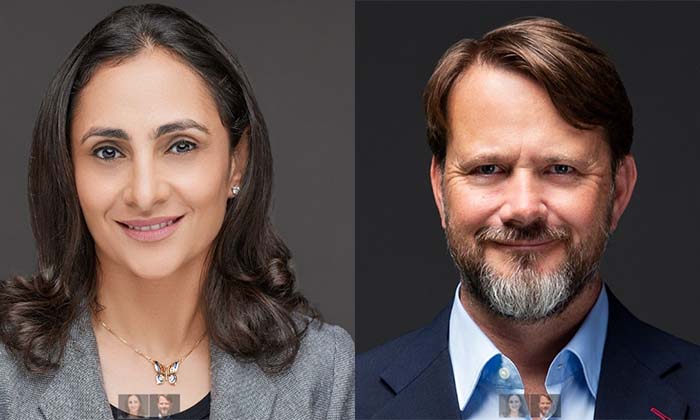
“Cybersecurity confidence in this region is well-earned, but AI is a different kind of challenge entirely. It is moving faster than most governance structures were designed to handle, and that gap is real,” said Maliha Jilani, Partner-in-Charge at Heidrick & Struggles Middle East & North Africa. “Against a more complex geopolitical backdrop, that challenge is only becoming more acute. Boards that are ahead of this are already thinking differently, whether that means refreshing board composition to bring in AI expertise, or establishing dedicated advisory structures that can keep pace with technology. The organisations that act on this now will be far better positioned than those that are passive.”
The findings also point to broader leadership challenges as organisations navigate rapid technological change. Only 46% of Middle East respondents report confidence in their organisation’s ability to maintain a healthy culture, compared with 55% globally, the lowest level among the regions surveyed.
“The board’s role in culture is often underestimated. Appointing a strong CEO is a great step, but boards must actively evaluate whether the organisation’s culture is keeping pace with
transformation in the workplace,” said Dr
Jay Bevington, Global Board Advisory Leader and CEO and Board of Directors Leader in the Middle East & North Africa. “In an era of AI-driven change, and with external pressures reshaping how organisations operate, that scrutiny needs to be sharper than ever. Both CEOs and boards must play active roles in steering cultural direction.”
Together, these findings highlight how cybersecurity and artificial intelligence are becoming centra to leadership priorities across the Middle East, as organisations strengthen governance capabilities, adapt to new technologies, and sustain culture through periods of transformation.